Research Highlights
Explore Our Research: Dive into Our Ongoing Endeavors and Past Projects Shaping the Future of Our Field.
Current Projects
Pregnancy Risk and Infant Surveillance and Measurement Alliance Maternal and Newborn Health Study
Dr. Smith is a principal investigator for the Pregnancy Risk and Infant Surveillance and Measurement Alliance Maternal and Newborn Health (PRISMA MNH) Study: a multi-center, prospective cohort study of maternal, newborn, and infant health in Kenya, Ghana, Pakistan, Zambia and India. The overarching aim is to address the significant gaps in antenatal, intrapartum, and postpartum care, high rates of maternal and neonatal morbidity and mortality, and the limited population-level data in low- and middle-income countries needed to develop interventions. Ultimately, researchers seek to produce high-dimensional, high-quality, harmonized data on pregnancy risk factors and key health outcomes throughout the antenatal, intrapartum, and postpartum periods.
Specific PRISMA MNH study objectives include: improving global understanding of key risk factors for morbidity and mortality among pregnant women and their babies; providing population-based baseline estimates of major maternal and child health outcomes; and enabling the use of novel analytical techniques to create risk prediction tools. The study aims to enroll approximately 20,000 pregnant women across sites over three years. Expectant mothers are enrolled prior to 20 weeks gestation and followed up through one year postpartum. PRISMA MNH collects data on outcomes such as maternal mortality, maternal anemia, stillbirth, and preterm birth, among other primary and secondary outcomes. Among other responsibilities, our team ensures that the PRISMA MNH protocol is implemented consistently, standardizes data collection and analysis, maintains a central data warehouse, supports publication of multisite papers and dissemination of key findings, and organizes across-site training and capacity building.
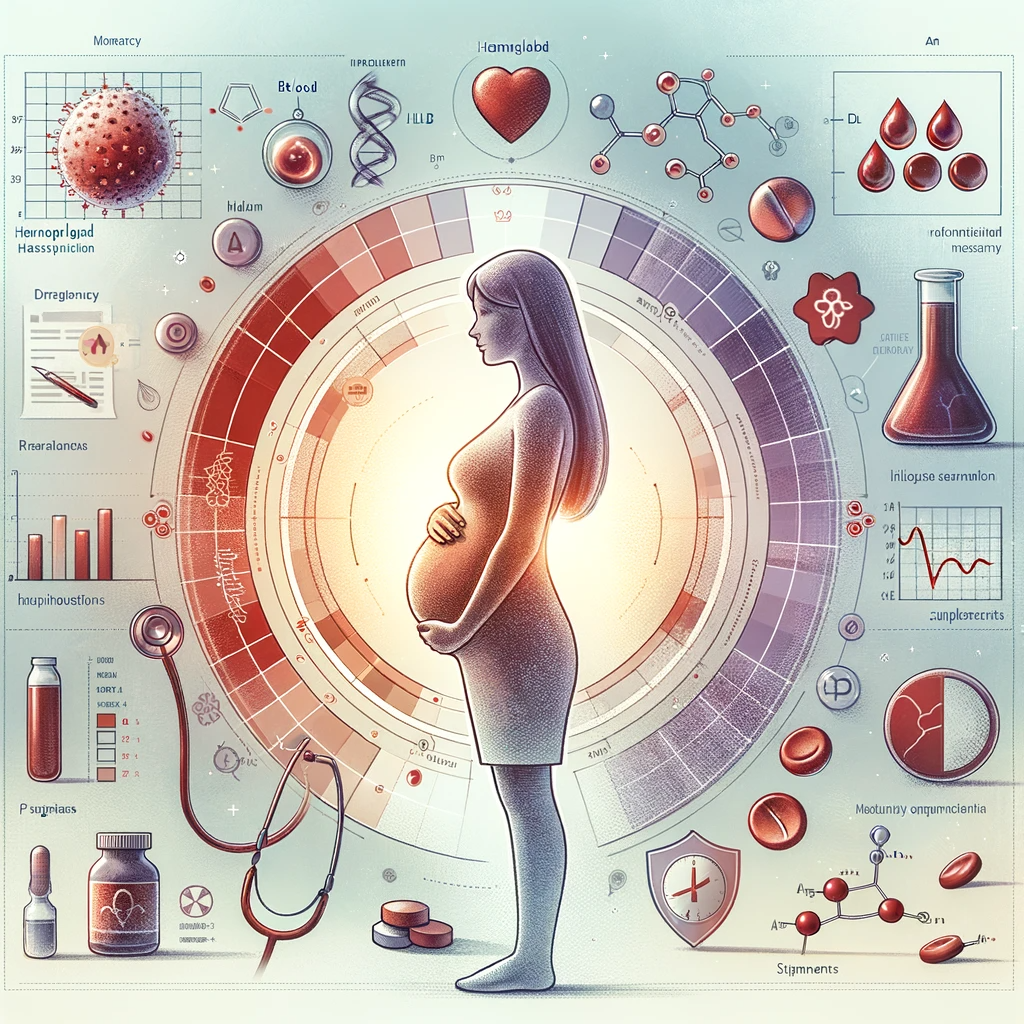
Redefining Maternal Anemia in Pregnancy and Postpartum Study
Dr. Smith and colleague Dr. Kwaku Poku Asante at the Kintampo Health Research Centre in Ghana are co-principal investigators for the Redefining Maternal Anemia in Pregnancy and Postpartum (ReMAPP) Study. Recent evidence indicates that a reevaluation of hemoglobin thresholds during pregnancy is needed to better diagnose anemia, particularly in low- and middle-income countries and among populations underrepresented in the research that informed current thresholds. Thus, ReMAPP seeks to advance clinical knowledge of anemia during pregnancy and contribute high-quality data toward establishing updated hemoglobin thresholds. This multicenter, population-based study will enroll approximately 1,600-2,000 women in each of the six participating study sites. Women will be enrolled in their first trimester and undergo serial measurements of hemoglobin and other biomarkers throughout pregnancy and postpartum. Analytical aims of the ReMAPP study are threefold: to established reference values for normal hemoglobin among healthy women during pregnancy and within 42 days postpartum; to establish hemoglobin thresholds for anemia diagnosis in pregnancy based on the link with adverse maternal, fetal, and newborn health outcomes; and to describe the underlying contributing factors of anemia during pregnancy.

Comprehensive Multivitamins in Pregnancy Improve Birth Outcomes
While most pregnant people in the US take prenatal vitamins, these multivitamins are not standard of care globally. But now, more than 20 clinical trials in low- and middle-income countries have shown that multiple micronutrient supplements (MMS) containing iron and folic acid are superior when compared to iron and folic acid alone.
Dr. Smith led the pooling and analysis for an individual patient data meta-analysis intended to inform policy surrounding MMS in pregnancy (Smith et al. Lancet Global Health. 2017). Despite concerns about potential health risks raised in the World Health Organization (WHO) 2016 Antenatal Care Guidelines, the meta-analysis and a second study published in the Journal of Nutrition (Smith & Sudfeld. 2019) found clear evidence that MMS containing iron and folic acid is safe and superior to iron and folic acid alone. MMS in pregnancy reduces the risk of low birth weight, preterm birth, and being born small-for-gestational-age. Further, MMS reduces the risk of neonatal and infant mortality for girls, and there was no evidence of increased risk among the 26 subgroups examined. Dr. Smith is a member of the Taskforce on Maternal Micronutrient Supplementation in Pregnancy hosted by the New York Academy of Sciences and is an advocate for improving evidence-based maternal nutrition services during pregnancy.
Despite existing evidence about the benefits of MMS, there is controversy over the optimal amount of iron to include in the MMS. To address these questions, Dr. Smith and colleagues are conducting an individually randomized controlled trial to assess the effect of MMS containing 60 and 45 mg iron as compared to MMS that contains 30 mg of iron (standard iron dose in UNIMAP MMS formulation) on maternal anemia and other important maternal and newborn health outcomes. This study will also assess side effects and adherence to better understand w. The trial will be conducted in Dar es Salaam, Tanzania, in collaboration with colleagues at Ifakara Health Institute, Africa Academy of Public Health, Muhimbili University of Health and Allied Sciences, and Harvard TH Chan School of Public Health. This study will help inform countries like Tanzania (that currently use IFA containing 60 mg of iron) as they transition to using MMS.
Dr. Smith is further evaluating optimal nutrition during pregnancy through the Molecular Methods for Maternal Nutrition (MM4MN) study, focusing on vitamin B12. This project aims to enhance understanding of the bioavailability of vitamin B12 during pregnancy in patients with sufficient and insufficient baseline B12 status. Further, this study aims to identify the priority dose regimens of vitamin B12 in pregnancy to be investigated in future phase clinical trials & identify novel biomarkers of vitamin B12 intake that are suitable for pregnancy. This study is conducted alongside colleagues at Penn State University, Baylor College of Medicine, University of Maryland School of Pharmacy, Ifakara Health Institute, and Muhimbili University of Health & Allied Sciences.
Previous Projects
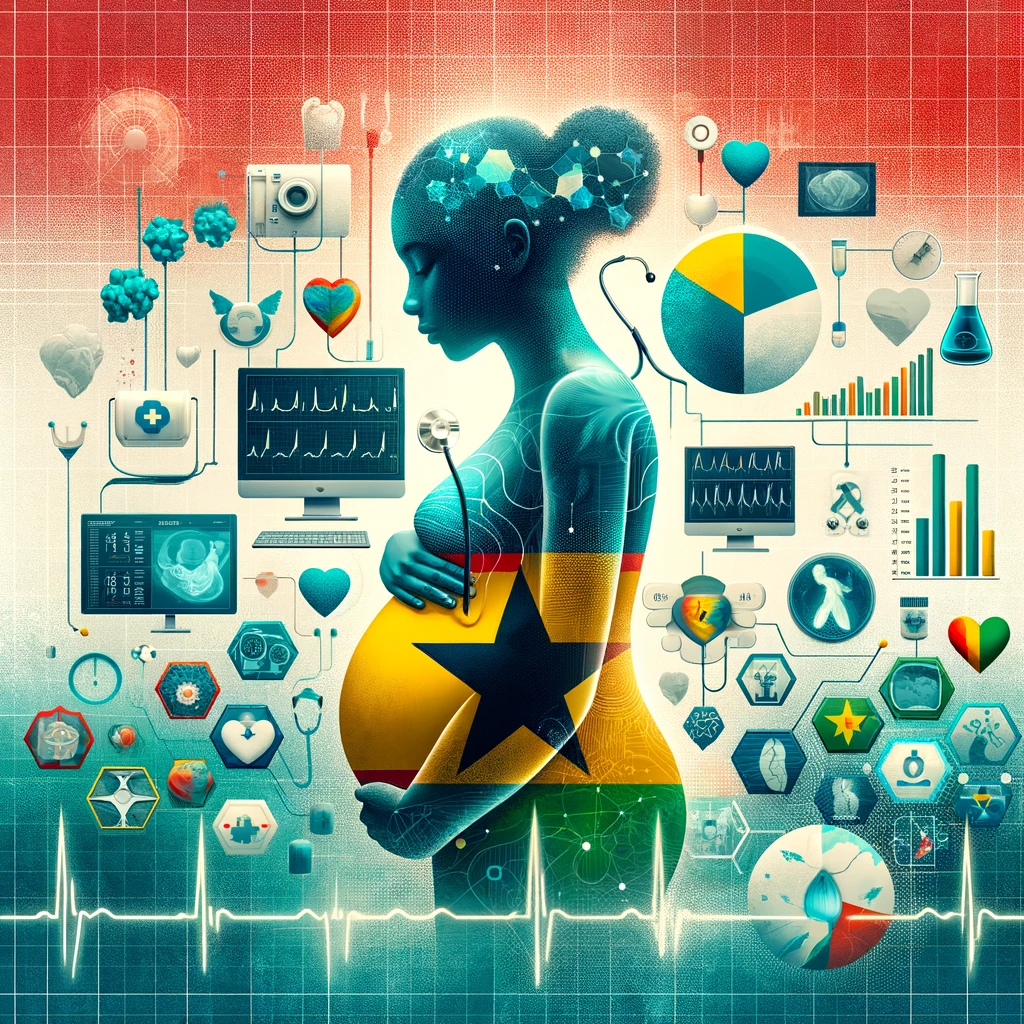
Adverse Outcomes in Pregnancy Trial Ghana
The Adverse Outcomes in Pregnancy Trial (AdOPT) research programme, led by Dr. Kwkau Poku Asante at the Kintampo Health Research Centre in Ghana with technical coordination from Dr. Emily Smith, consisted of two phases. AdOPT Phase I developed a pregnancy identification and outcome surveillance system to establish the prevalence rates of preeclampsia, stillbirth, preterm birth, small for gestational age, and low birthweight among 12,000 pregnant participants in the study area. AdOPT Phase II implemented an individually randomized clinical trial to identify effective nutritional interventions to improve birth outcomes across antenatal and postnatal care.
There is clear evidence that micronutrient supplementation during pregnancy can improve birth outcomes. Yet, recent evidence shows the current United Nations International Multiple Micronutrient Antenatal Preparation (UNIMAP) formulation does not entirely correct maternal micronutrient deficiencies during pregnancy. Furthermore, other micronutrients (e.g. choline, nicotinamide) are not included in the traditional supplement, despite compelling mechanistic studies suggesting there may be a benefit. Thus, there is an opportunity to optimize both the formulation and timing of micronutrient supplementation during pregnancy to achieve impact in maternal and child nutrition. The AdOPT research program was designed to develop and test these innovations.

Perinatal COVID-19 Sequential Prospective Meta-Analysis Project
The Perinatal COVID-19 Sequential Prospective Meta-Analysis (PMA) project is a collaborative effort between nearly 100 investigators in 41 countries to answer high-priority research questions about the impact of SARS-CoV-2 infection on pregnant people and newborns. We gathered data for 76,000 pregnancies from national registries, health information systems, and institutional databases. Our primary goal is to generate data for policymaking and clinical guidelines specific to pregnant people: a population frequently excluded from clinical trials. Initial published findings from the PMA project have been featured in the Washington Post, the Guardian, and Fortune.
COVID-101: Evidence-based communications to answer COVID-19 questions
COVID-101 is an online platform launched in March 2020 to combat rampant misinformation and provide evidence-based answers to the public’s questions about the COVID-19 pandemic. It works like this: readers submit questions via Facebook, Twitter, Instagram, or COVID-101.org, our team rapidly reviews the scientific literature, and then we post a response. Over 25 volunteers contributed to this project, including epidemiologists and infectious disease physicians from a dozen colleges and universities (George Washington University, University of Washington, Columbia University, Harvard University, Johns Hopkins University, and more).

Neonatal Vitamin A Supplementation Randomized Controlled Trial
The Neonatal Vitamin A Supplementation (NVAS) Randomized Controlled Trial is the largest neonatal vitamin A supplementation trial ever conducted in sub-Saharan Africa, involving over 32,000 neonates in Tanzania. The primary goal was to assess whether NVAS reduced the risk of infant death. We then compared findings from parallel NVAS trials conducted in India and Ghana; the three trials found conflicting results. Our resulting publication explored potential reasons for these differences and Dr. Smith participated in the WHO Technical Working Group that pooled data from all prior NVAS trials. This work informed current WHO guidelines for NVAS.

Effects of Early Breastfeeding Initiation on Infant Morbidity and Mortality
Dr. Smith has published several papers showing a link between breastfeeding initiation time and infant morbidity and mortality (Smith et al The Journal of Pediatrics 2107; Smith et al PloS one 2017; Neovita Study Group Lancet Global Health 2016). However, the mechanism through which early newborn nutrition has a long-term health impact is not known. Researchers have suggested that early breastfeeding may decrease the risk of microbial translocation, accelerate intestinal maturation, promote resistance to and epithelial recovery from infection, and protect against environmental enteric dysfunction (EED). But there is limited data to support these hypotheses.
To build upon previous findings, we completed a study among a cohort of children enrolled in a multiple micronutrients (MMS) iron dose trial in Tanzania. Results indicated that delayed breastfeeding initiation and prelacteal feeding were both associated with elevated biomarkers of poor gut function later in infancy. Smith Lab subsequently carried out four systematic reviews to support development of the 2020 WHO Guidelines on care and feeding of low birthweight infants.
Immunology, Epidemiology, and Burden of Viral Diarrhea
Dr. Smith has worked on a number of studies related to immunology and epidemiology of norovirus and rotavirus. While at Emory University, she worked on several randomized, human-challenge trials to assess the effectiveness of new technology to inactivate norovirus. Prior to introduction of the rotavirus vaccine in Bolivia, Dr. Smith worked with Universidad Mayor de San Andrés and the Pan American Health Organization to conduct national, sentinel rotavirus surveillance. In parallel, she led costing studies to assess the cost-effectiveness of the new vaccine from both the caregiver and state perspectives.